
A Judges' POV
A closer look at what separates good from world class, through the lens of our Head Judge, David Lishman.
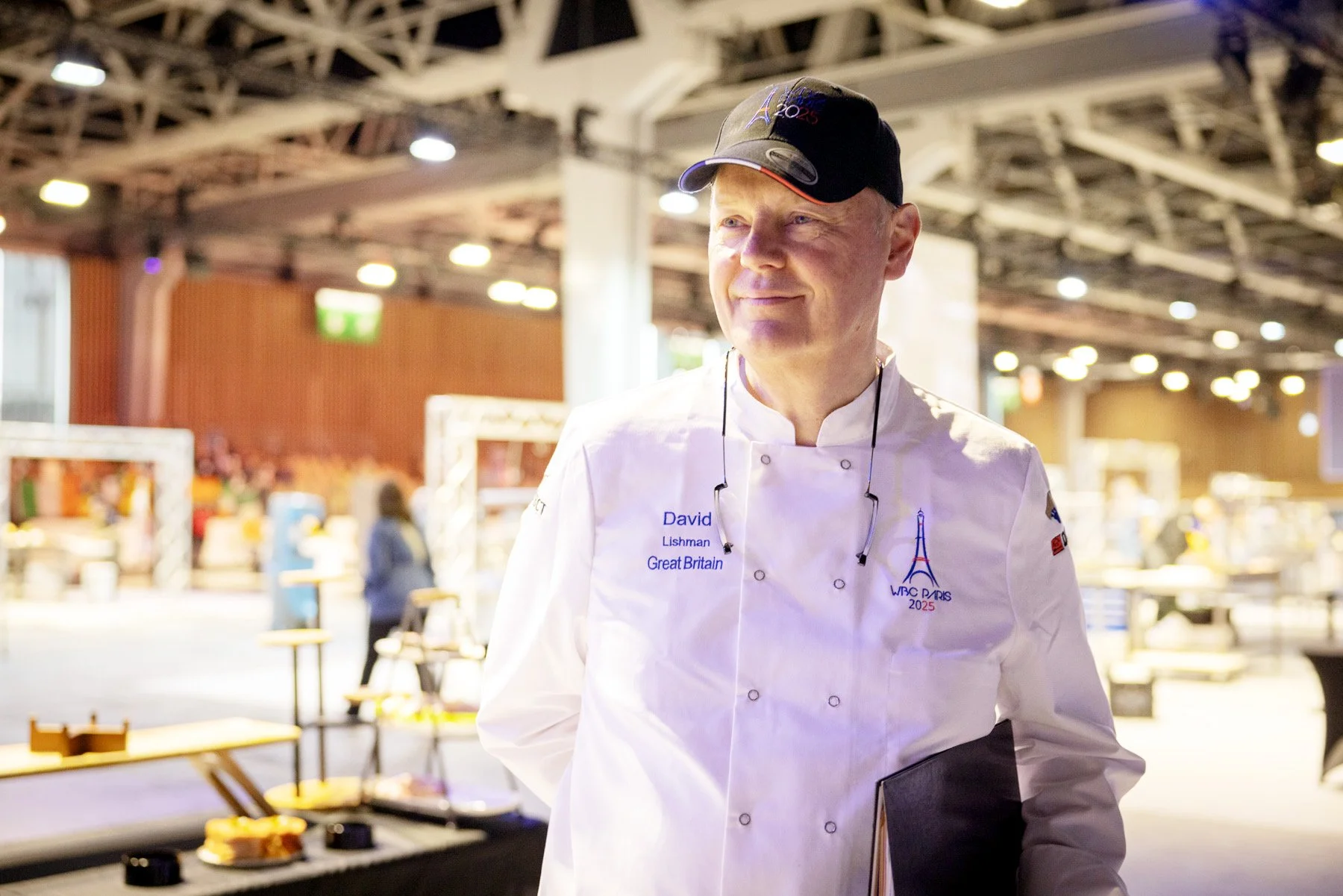
When judging at the World Butchers’ Challenge, we are not only looking at what is produced at the end of the competition. We are looking at how it is produced.
At this level, every competitor can butcher. Every team can create a strong display. The difference between good and world class often comes down to the finer details, and the ability to hold a high standard from start to finish.
A world class performance is controlled, organised, safe and well thought through. The best teams do not only show skill with a knife, they show planning, communication, product knowledge and respect for the raw material they have been given.
Technical ability will always be important. Clean breaking and boning, correct trim, good yield, consistency, and thoughtful use of each cut all matter. But technical skill on its own is not enough. The finished products also need to make sense. They need to be saleable, cookable, well-presented and clearly explainable to a customer.
That is where the strongest competitors stand out. They do not simply create products that look good on the table. They create products that show sound butchery thinking. There is a reason behind each product, each cut and each part of the display.
Judges also look closely at consistency. World class competitors maintain their standard across the entire competition, even under pressure.
As we look ahead to the 2028 World Butchers’ Challenge in Australia, we have taken the opportunity to review the rules, judging criteria and the way judging will be managed across the competition.
A lot of work has gone into this. The newly formed Judging Review Committee has worked through the current framework with a focus on making things clearer, more consistent and easier to apply on the competition floor.
We are introducing a more defined judging structure, including Judge Executives and Stewards. These roles will support the judging process, improve consistency and make sure matters relating to safety, hygiene, compliance or rule application are handled through the right process.
One of the key additions for WBC 2028 is the standalone World’s Best Sausage Competition. Sausage making deserves proper focus within the program. It takes technical skill, product knowledge, consistency and balance. Like all WBC competitions, the strongest entries will be the ones that show clear thinking as well as strong execution.
My advice to competitors is simple. Read the rules carefully. Understand the judging criteria. Prepare with purpose. Think about the full process, not just the final display.
The small details matter. Consistency and clean work matter. Creating something that is technically strong, commercially sound and well-presented matters.
I look forward to seeing what teams and individual competitors bring to the Australia in 2028. The standard will be high, and that is exactly where this competition should be.